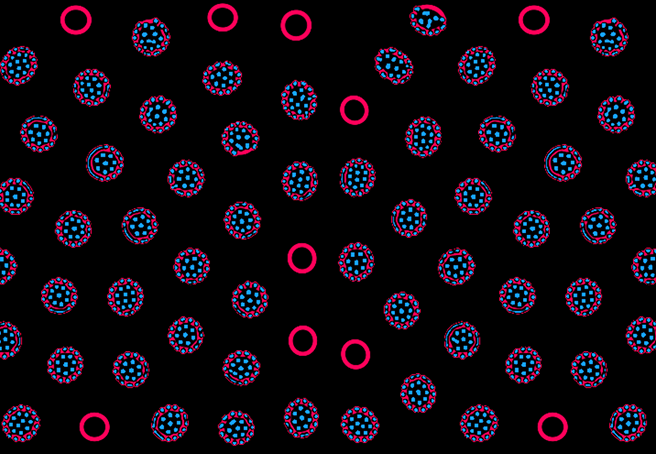
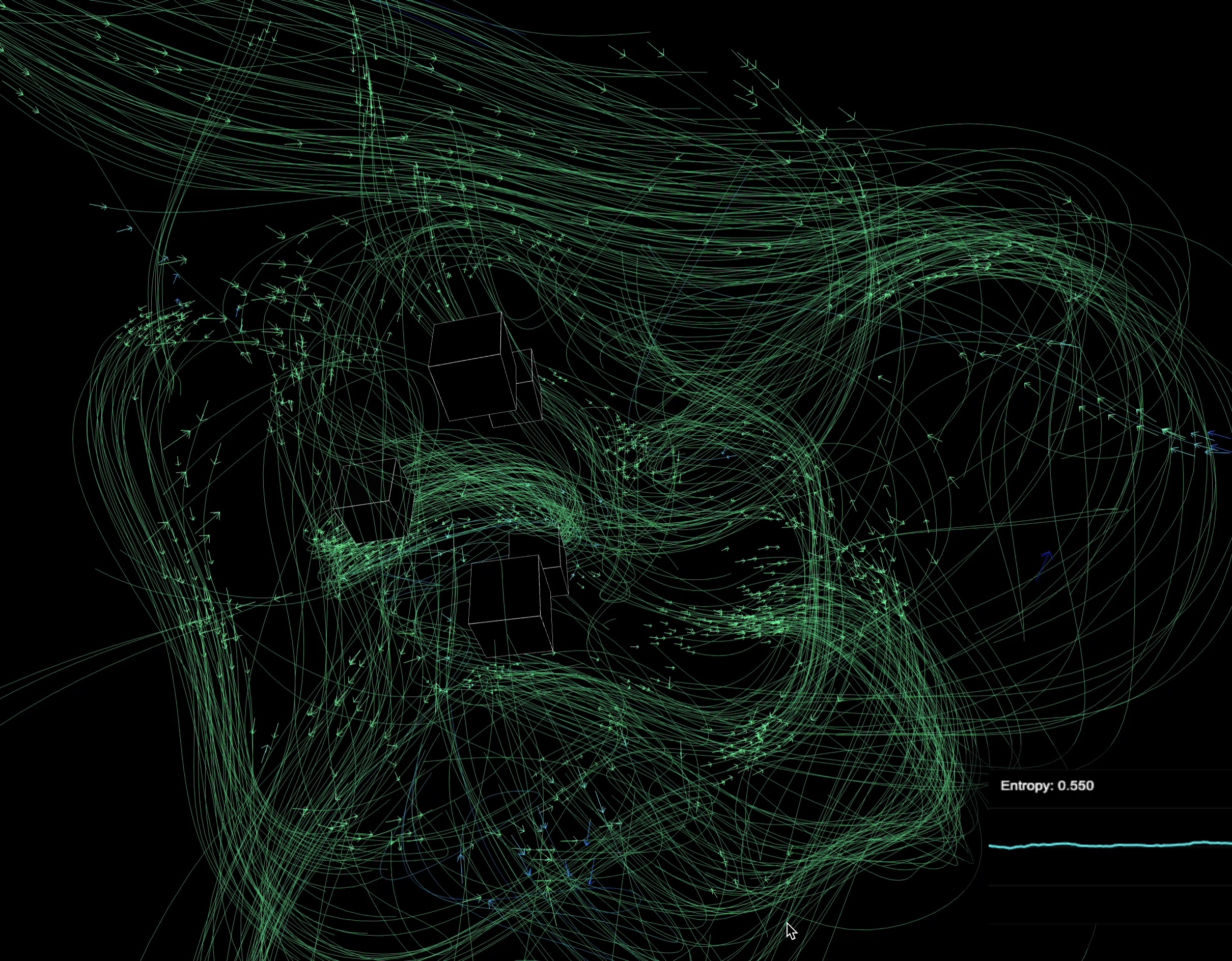
A boids simulation is a computer program that simulates the behavior of flocks of birds, schools of fish, or swarms of insects. It was first introduced by computer scientist Craig Reynolds in 1986. The simulation is based on three simple rules that dictate how the individual agents in the simulation (called "boids") move and interact with each other, resulting in complex emergent behavior similar to that observed in real-life flocks or schools.
Imagine a valley in which marbles are placed at different locations. Each marble will roll towards a low point. The basin of attraction would correspond to the entire region from which a marble would eventually roll. Basins of attraction show how different initial states evolve in a dynamic system, and they help understand the stability of systems. For example, in a biological system, basins of attraction can represent different stable conditions toward which a system tends, depending on its initial state.

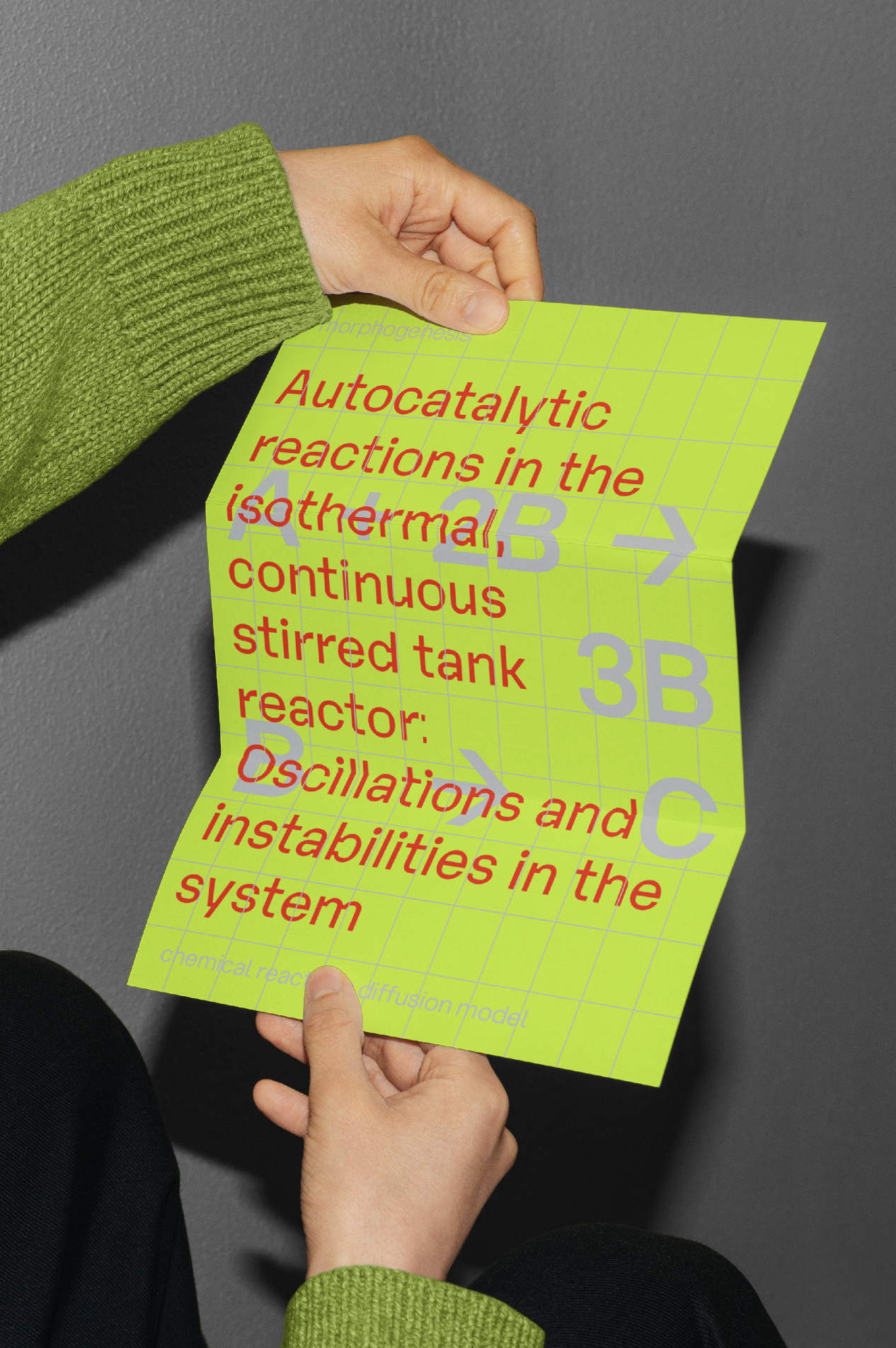
Reaction diffusion pattern simulation : continuous and discrete cellular automata Reaction–diffusion systems are mathematical models which correspond to several physical phenomena.